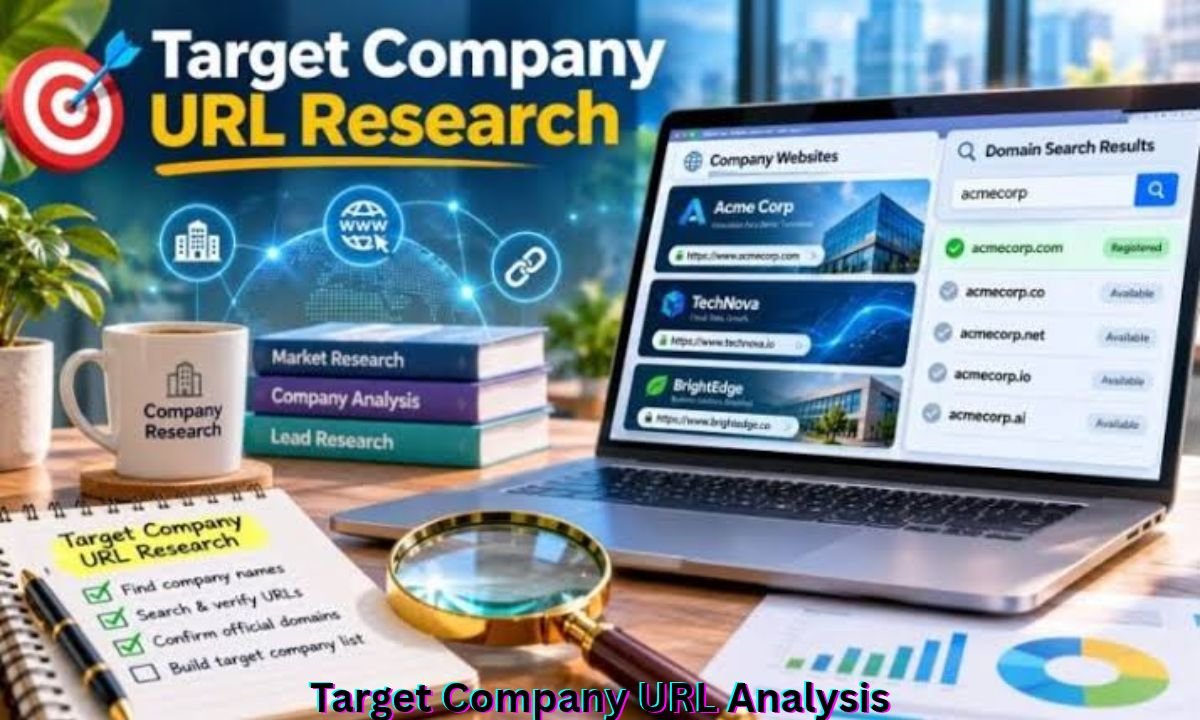
Target Company URL Analysis is like checking a business’s front door before you walk in. One careful look at a website shows what the company sells, who it serves, and whether it deserves your time. Marketers, sales teams, and researchers all use it to make smarter decisions.
In this guide, we’ll walk through every stage of Target Company URL Analysis in plain language. You’ll learn what to check, which tools help, and which mistakes waste time. Whether you’re running a website audit or hunting for prospects, you’ll finish with a repeatable process.
What Is Target Company URL Analysis?
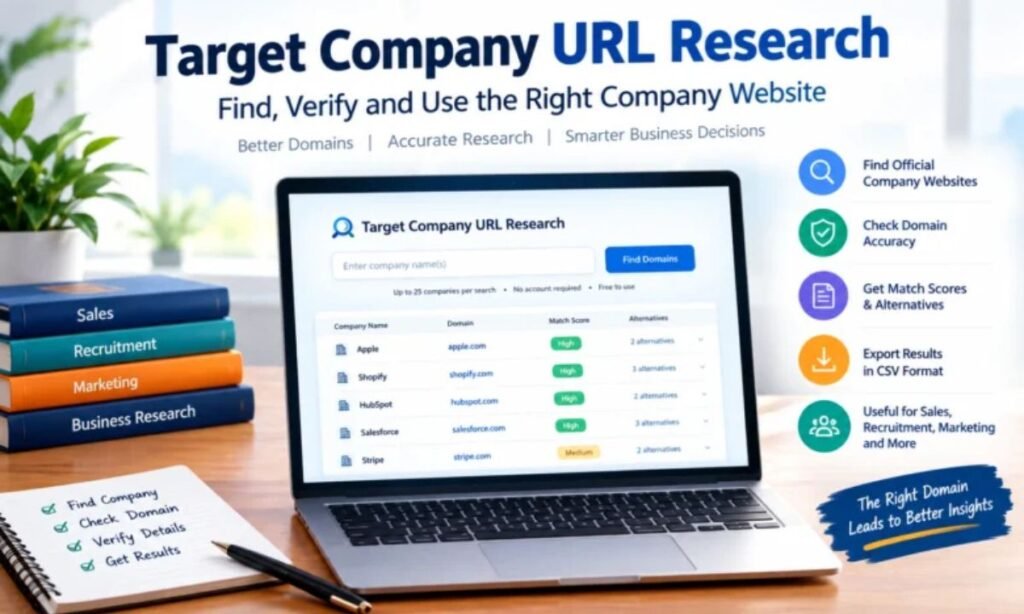
It means studying a company’s web address and online presence to understand its offers, credibility, and market position. Think of it as detective work using only public information.
SEO experts, sellers, and researchers use it before outreach, partnerships, or guest posting. It goes far beyond opening a homepage.
- Reveals what the business actually does
- Shows how visible it is in search
- Helps you judge fit before contact
Why Is Target Company URL Analysis Important?
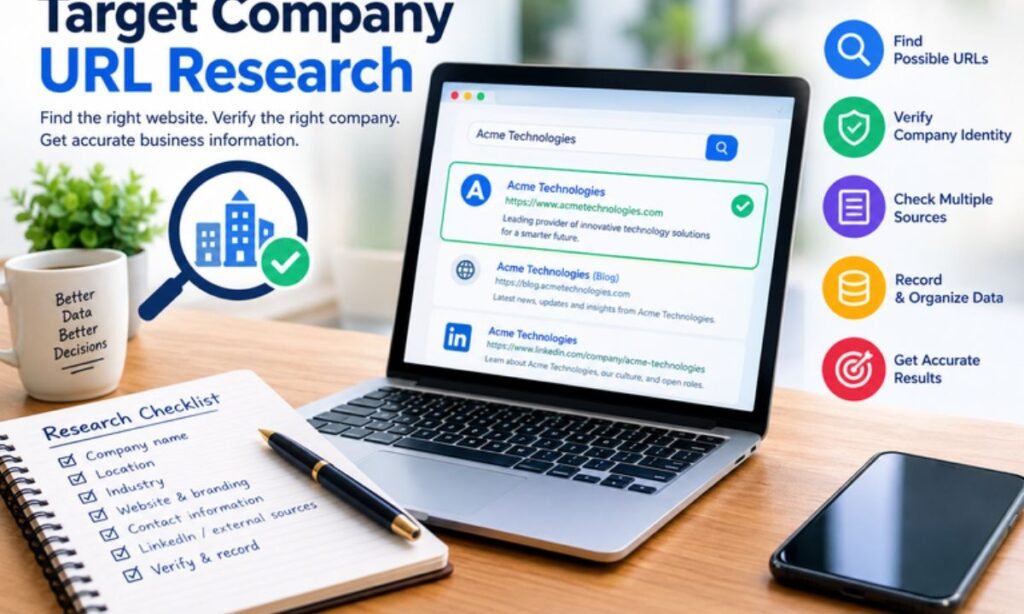
Good decisions need evidence, not guesses. A quick company URL analysis shows whether a business matches your goals before you spend time or money on it.
It also exposes outdated pages, weak navigation, and technical issues. That means fewer wasted emails and more focus on opportunities that can actually pay off.
- Saves time on unsuitable targets
- Reduces random, generic outreach
- Backs your decisions with real data
Understanding a Company’s Online Presence
A company’s website is usually its main digital identity. The homepage, About page, services, and contact details show how it presents itself to customers.
Still, a website can’t prove its own claims. Check that names, addresses, and descriptions match across other public sources, and verify the important details independently.
- Review the About and Contact pages
- Check brand consistency across platforms
- Confirm key claims through third parties
Identifying Business Opportunities
Analysis can uncover openings for link building, partnerships, and lead generation. For instance, you might notice good articles that are outdated or poorly connected through internal linking.
Those findings make your outreach specific rather than generic. The best opportunities are backed by evidence and match what the company truly needs.
- Spot content gaps and missing service pages
- Find weak calls to action
- Note partnership or guest post angles
Key Elements of Target Company URL Analysis
A reliable review looks at several parts of a site rather than one number. Each element answers a different question, from “is this the right company?” to “can search engines read it?”
Which elements matter most depends on your goal. An SEO check goes deeper on technical points, while prospecting leans on products and audience.
| Element | What It Tells You |
| Domain identity | Whether you found the right company |
| Website structure | How easily visitors find information |
| Content quality | Whether pages help the audience |
| Technical SEO | Whether search engines can crawl the site |
| Backlink profile | How other sites view it |
- Check each element against your goal
- Don’t rely on any single metric
Website Structure and Navigation
Structure decides how easily people find things. Start with the navigation menu, main landing pages, service pages, and blog sections to see how the site is organized.
Look for readable URLs like example.com/services/seo-audit. Also watch for broken links, duplicate pages, and buried content. Clean URLs help, but they don’t guarantee higher rankings.
- Scan menus and page hierarchy
- Test links for errors
- Flag hard-to-reach pages
Content Quality and Relevance
Good content is accurate, original, and useful. Read the blog posts, service descriptions, and case studies to see what questions the company answers and how well.
Thin content, repeated articles, and outdated content signal weakness. For outreach, a site that publishes consistently in your niche beats one with random topics.
- Look for clear, expert explanations
- Check update dates
- Judge topic focus and editorial care
Technical SEO and Website Performance
Technical checks show whether a site works and whether search engines can crawl and index it. Review HTTPS security, page loading speed, mobile usability, redirects, and XML sitemap setup.
Google’s URL Inspection Tool shows indexing details for sites you manage. A passing live test doesn’t guarantee indexing, so record issues and rank them by likely impact.
- Test mobile and speed performance
- Look for broken URLs and bad redirects
- Check title tags and metadata
How to Perform Target Company URL Analysis
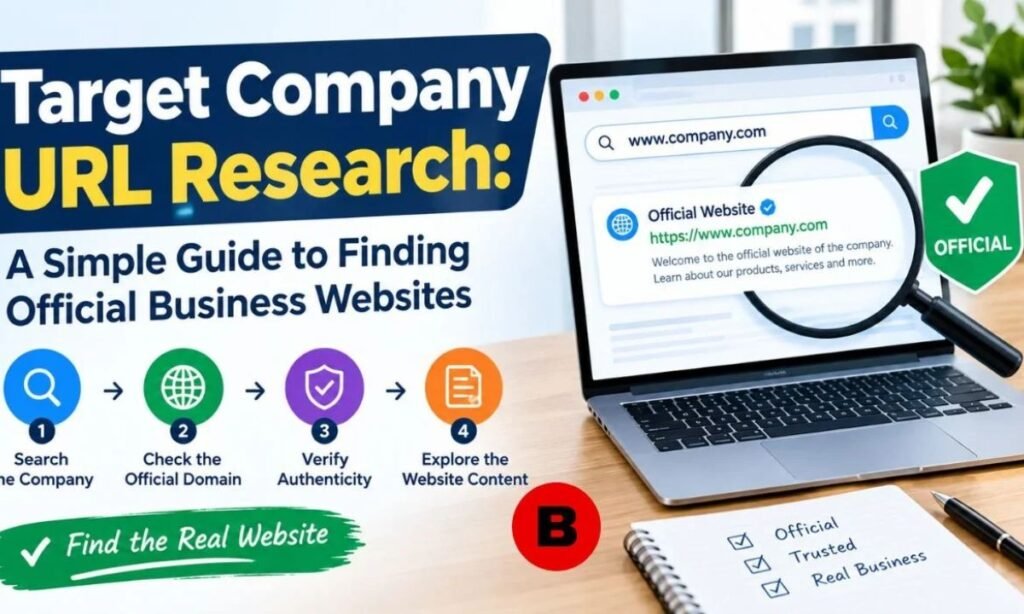
Follow a repeatable routine. Confirm the correct domain first, then review main pages, technical health, search visibility, and competitors.
Log everything in a spreadsheet so you can compare companies fairly. Never judge a site by a single score or estimate. Combine several indicators and explain what they mean.
- Verify the URL
- Review pages and technical health
- Record findings consistently
Define Your Analysis Goals
Decide what you want to learn before you start. Guest posting needs niche relevance, editorial standards, and outbound linking habits, while sales research focuses on products and customer needs.
Clear goals stop you from collecting pointless data. They also help you pick only the metrics that support a real decision.
- Guest posting: relevance and editorial quality
- Prospecting: services and target market
- Competitor research: keywords and content strategy
Evaluate Website Traffic and Search Visibility
Organic traffic shows whether a site attracts visitors from search engines. Google Search Console gives accurate data for sites you own, while Ahrefs and Semrush provide outside estimates.
Treat third-party numbers as estimates, not exact visits. Review trends, ranking keywords, and top pages together for a more trustworthy picture.
- Watch traffic trends over time
- Check which pages rank
- Compare keywords with business focus
Analyze Competitors and Market Position
Competitor analysis places the target company in its industry context. Find businesses with similar audiences or rankings, then compare their pages, topics, and calls to action.
If rivals answer customer questions in depth while the target stays brief, that’s an opening. Don’t copy competitors, though. Use comparisons to find unmet needs.
- Identify true search competitors
- Compare content depth and structure
- Look for gaps, not imitation
Essential Tools for Company URL Analysis
The right tool depends on your task. You don’t need a paid plan to start, since free options give a solid foundation.
Combine tools for a fuller view. A crawler finds missing metadata, a backlink tool checks referring domains, and a speed tester reveals performance problems.
| Tool | Main Purpose | Best Use |
| Google Search Console | Search and indexing data | Sites you manage |
| Google PageSpeed Insights | Performance metrics | Speed issues |
| Ahrefs | Backlinks and keywords | Competitor research |
| Semrush | SEO research | Estimated visibility |
| Screaming Frog SEO Spider | Site crawling | Broken links, redirects |
- Start with free tools
- Separate verified facts from estimates
Common Mistakes to Avoid
Many people trust a polished design too quickly. Looks alone can’t prove a business is legitimate, so check independent sources too.
Another trap is leaning on one metric, like domain authority. Also avoid mixing up similar brands or parent domains, and always confirm the exact URL.
| Mistake | Better Approach |
| Trusting design alone | Verify company details |
| Relying on one metric | Combine several indicators |
| Confusing similar brands | Confirm the exact domain |
| Ignoring redirects | Check the final URL |
- Don’t skip outdated or duplicate pages
- Watch for regional domains
Read Also This: MiloMagazine.co.uk USA: A Complete Guide for American Readers
Benefits of Regular Website Analysis
Regular checks keep performance steady and uncover new growth chances. They catch small issues before they become expensive problems.
Over time, repeated analysis builds useful business insights and supports data-driven decisions for your digital marketing strategy.
| Benefit | Result |
| Better SEO | Stronger search visibility |
| Improved UX | Faster, easier navigation |
| Competitor insight | Clearer strategy |
| More traffic | More relevant visitors |
| Higher conversions | More leads and customers |
- Schedule reviews monthly or quarterly
- Track changes in a spreadsheet
Frequently Asked Questions
What is a company URL analysis?
Target Company URL Analysis helps you review a company’s website, understand its purpose, and identify important business information.
Why is analyzing a company website important?
Target Company URL Analysis reveals website strengths, weaknesses, business details, and opportunities for better online performance.
How can I check a company’s website performance?
Target Company URL Analysis examines website structure, traffic, content quality, SEO performance, and user experience.
What information can I find from a company URL?
Target Company URL Analysis provides insights into company services, contact details, target audiences, competitors, and online presence.
Can website analysis help identify business competitors?
Target Company URL Analysis helps compare competing websites, review their strategies, and understand their strengths in the market.
Which tools can help analyze a company website?
SEO tools like Ahrefs, Semrush, and Google Analytics support Target Company URL Analysis with useful website performance data.
How does company URL analysis support business decisions?
Target Company URL Analysis helps businesses understand market opportunities, improve website strategies, and make smarter decisions using reliable insights.
Conclusion
Target Company URL Analysis turns a simple web address into real business insight. By checking structure, content, technical health, and visibility, you replace assumptions with facts and avoid chasing the wrong targets or partners.
Keep your process simple and consistent. Set clear goals, use several tools, and verify everything independently. Do that, and Target Company URL Analysis becomes a dependable habit that supports smarter outreach, stronger campaigns, and better results.